
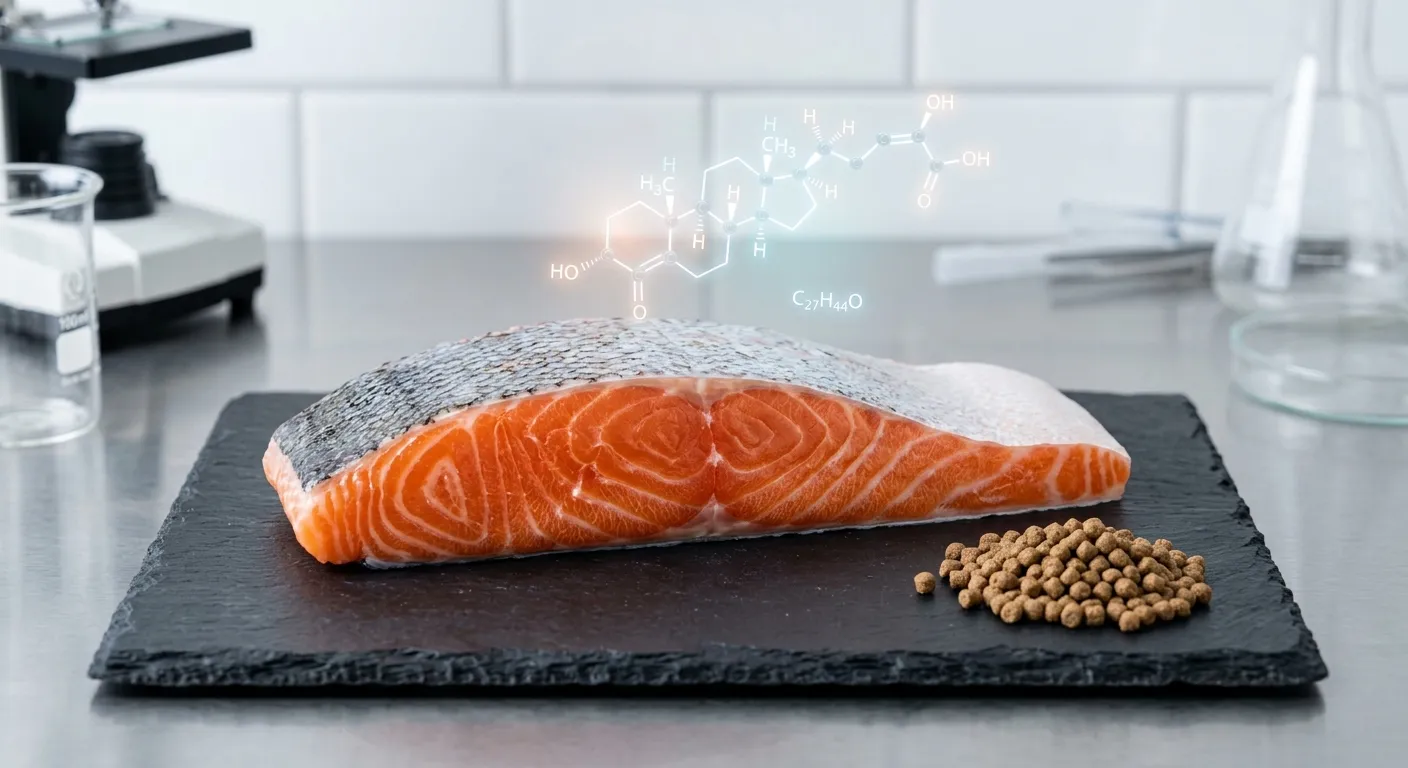
Choosing the right feed is one of the most important factors in successful fish farming. High-quality feed leads to better growth, lower mortality, improved feed conversion ratio, and better water quality in ponds. The following points can help in selecting suitable feed.
1. Physical appearance of the feed
When purchasing fish feed, first pay attention to its physical characteristics:
Feed pellets should be uniform in size and color.
Extruded feed should not contain excessive dust or fines.
Pellet surfaces should be smooth and consistent.
Feed must be dry, with no signs of moisture.
The odor should be natural and pleasant, without moldy or sour smells.
Feed must not be moldy or spoiled.
Packaging bags should be intact, without any tears or holes.
2. Water stability
One of the key properties of fish feed is proper water stability.
High-quality feed should retain its structure for some time after entering water and not disintegrate immediately. It should also have appropriate buoyancy.
If extruded feed breaks apart too quickly in water, part of it is wasted and water quality deteriorates.
On the other hand, feed should not be overly hard, making it difficult for fish to consume.
3. Feed palatability
Suitable feed must be attractive and acceptable to fish.
If fish quickly approach and consume the feed, it indicates good quality and palatability.
If a large amount of feed remains in the pond, it may indicate poor feed quality or improper feeding rates.
4. Raw material quality
The raw materials used in fish feed should be of high quality and free from chemical contamination, toxins, or harmful substances. Proper ingredients contribute to better growth and healthier fish.
5. Pellet size
Feed size should match the size and age of the fish.
Smaller fish require finer pellets.
As fish grow, larger pellet sizes should be used to optimize feed intake.
6. Feeding rate
Feeding rates in aquaculture ponds depend on several factors, including:
Fish species and size
Stocking density
Water quality
Feed type and quality
Generally, feeding should be adjusted based on fish appetite and actual consumption.
If a large amount of feed remains after feeding, the amount should be reduced.
If feed is consumed quickly, it can be gradually increased.
Proper feed management not only reduces costs but also improves fish growth and helps maintain pond water quality.