
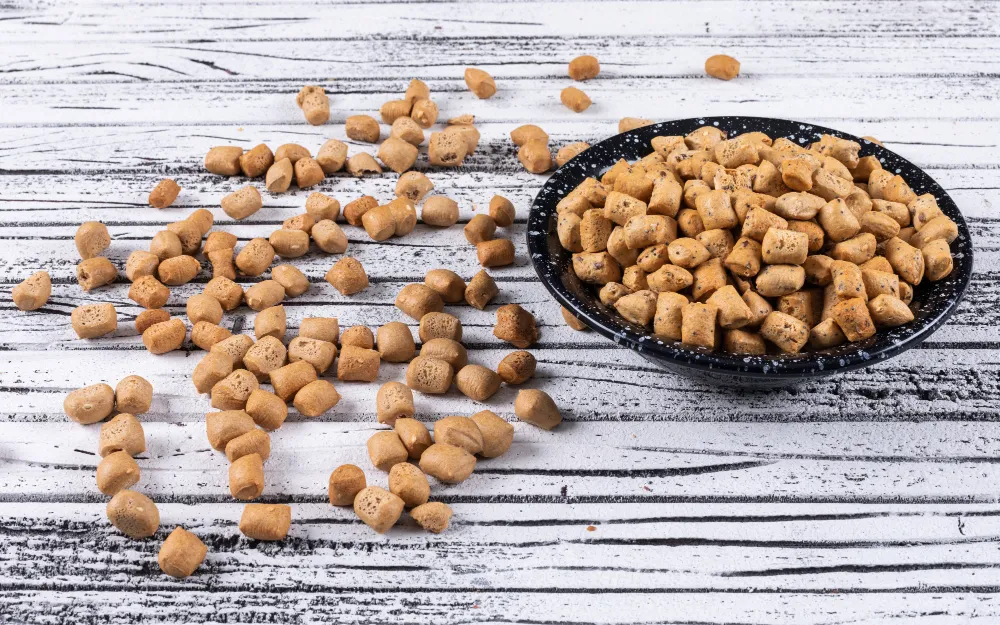
What is Aquatic Feed and Why is it Important in Fish Farming?
Aquatic feed refers to a collection of raw materials, micronutrients, and nutritional additives that are formulated and processed scientifically and practically to meet the nutritional needs of fish, shrimp, and other cultured aquatic organisms at various stages of growth. A high-quality fish feed should not only provide energy but also have a balanced ratio of protein, fat, vitamins, minerals, and essential amino acids to improve growth, health, stress resistance, and the quality of the final product.
In modern aquaculture, feed is not just a tool for feeding fish; it is one of the most important determining factors in economic growth, feed conversion ratio (FCR), water quality, and farm profitability. The selection of an inappropriate diet or improper feeding can lead to reduced growth, increased organic waste discharge, decreased water quality, the onset of diseases, and increased production costs.
Definition of Aquatic Feed
Aquatic feed is a specialized product designed based on the nutritional requirements of the target species, fish weight, growth stage, water temperature, stocking density, and farm conditions. This feed can be produced in various forms, such as floating extruded, sinking/slow-sinking extruded, or pelleted press.
The composition of fish feed typically includes the following:
- Protein sources: such as fish meal, shrimp meal, soybean meal, corn gluten, meat powder, processed plant and animal proteins
- Energy and carbohydrate sources: such as wheat, corn, and other digestible starchy materials
- Fats and oils: to provide energy and essential fatty acids such as omega-3 and omega-6
- Vitamins and minerals: for skeletal growth and health, immune function, metabolism, and overall aquatic health
- Feed additives: such as antioxidants, mycotoxin binders, probiotics, enzymes, immune stimulants, and palatability enhancers
It is important to note that the nutritional needs of all aquatic species are not the same. For example, rainbow trout, due to their carnivorous nature, generally require a diet with a higher digestible protein and fat content; whereas warm-water fish such as carp have a greater ability to utilize certain plant and carbohydrate sources. Therefore, the selection of appropriate fish feed must be fully aligned with the species and farming conditions.
Differences Between Aquatic Feed and Livestock and Poultry Feed
Although aquatic feed, livestock, and poultry feeds may use some similar raw materials such as corn, wheat, soybean meal, oils, and mineral supplements, they have fundamental differences in formulation, processing, physical quality, and nutritional purpose. For this reason, using livestock or poultry feed for fish is not recommended.
The most important differences are:
Table 1 Differences Between Aquatic Feed and Livestock and Poultry Feed
| Characteristic | Aquatic Feed | Livestock and Poultry Feed |
| Consumption Environment | In water | On land |
| Physical Stability | Must not disintegrate in water before consumption | No need for stability in water |
| Digestibility | Suitable for the digestive system of aquatic animals and water temperature | Suitable for ruminants or poultry |
| Density and Floatability | Floating or sinking, depending on the species | Usually without design for floating |
| Water Pollution | Should have minimal nutrient leaching and waste production | Water pollution is not the main design criterion |
| Processing | Extrusion or pelleting; controlling physical characteristics, water stability, and cooking and gelatinization of starch in extruded feed | Pellet or mash, with different goals |
Aquatic feed must maintain its integrity for a specific period when in contact with water; at the same time, it should be easily consumed and digested by fish. If the feed disintegrates too quickly in water, some protein, fat, and vitamins will enter the water and be wasted. This, in addition to increasing feed costs, leads to an increase in the organic load of the water, lowering dissolved oxygen levels, and increasing the risk of disease.
On the other hand, floating extruded feed allows observation of fish feeding behavior. Farmers can better monitor the appetite, feed consumption rate, and leftover feed, allowing for more accurate adjustments of feeding schedules. This feature is crucial in managing fish feed conversion ratio and reducing feed wastage.
The Share of Feed in Aquaculture Production Costs
Feed is typically the largest variable cost in fish and shrimp farming operations, and depending on species, farming system, raw material prices, farm management, and production performance, it can account for approximately 40 to 70 percent of operational production costs. In trout farms or intensive systems, this share is often even more critical; as growth and production heavily depend on feed quality.
For this reason, the cheapest feed is not necessarily the most economical choice. The main criterion should be the cost of feed per kilogram of live weight gain, not just the price per kilogram of feed. This is directly related to the feed conversion ratio or FCR:
FCR = Feed consumed Live weight gain
The lower the FCR, the more weight the fish gains with less feed, thus reducing production costs. For instance, feed that has a higher initial price but improves growth, reduces mortality, increases digestibility, and decreases FCR may ultimately increase farm profitability.
Consequently, feed management should include three main components:
- Selecting a diet suitable for the species and growth stage of the fish
- Controlling the physical and chemical quality of the feed; physical durability, appropriate hardness, size uniformity, percentage of fines, floatability, water stability, and fat level
- Implementing a precise feeding program based on biomass, water temperature, dissolved oxygen, fish appetite, and stress conditions
In summary, aquatic feed is a strategic input in fish farming. Feed that is nutritionally balanced, physically stable, and processed to standard helps promote faster growth, better health, reduced water pollution, and increased profitability.
At Sadad Dan-e Novin, the design of aquatic feed is based on the nutritional needs of the target species, selection of high-quality raw materials, control of physical characteristics of the feed, and attention to the actual conditions of fish farms. This approach improves feed consumption, promotes more uniform fish growth, and enables more economical management of the feed conversion ratio.
What are the Main Components of Aquatic Feed?
Aquatic feed is made up of specifically combined raw materials that fulfill fish requirements for protein, energy, essential fatty acids, vitamins, minerals, and functional compounds. The ratio of these components is not the same for all species; for example, the diet for rainbow trout differs in protein level, type of oil, starch utilization, and digestible raw materials when compared to diets for carp, sturgeon, or shrimp.
In a high-quality aquatic feed, not just the percentage of protein or fat matters; instead, the quality, digestibility, amino acid balance, fatty acid profile, raw material health, and processing quality determine how much of the nutrients actually contribute to the growth of the fish. An unbalanced formulation can reduce growth, increase the feed conversion ratio, and affect water quality by increasing waste outputs.
In producing aquatic feed at Sadad Dan-e Novin, the selection of raw materials and adjustment of the component ratios must be based on the nutritional needs of the target species, growth stage, environmental conditions, and production objectives. Feed quality is only meaningful when the nutritional formulation, digestibility of raw materials, and physical characteristics of the end product are evaluated together.
Protein Sources in Fish Diets
Protein is the most important structural component of fish feed and is essential for muscle growth, tissue repair, enzyme and hormone production, immune system function, and reproduction in breeding fish. However, when evaluating protein sources, one should not only focus on “crude protein percentage”; the essential amino acid profile, digestibility, palatability, the presence of anti-nutritional factors, and processing quality are also highly significant.
Some of the most important protein sources used in aquatic feed include:
Fish meal: A quality source of digestible protein, essential amino acids, and minerals. Fish meal can also enhance the palatability of the diet, but its quality varies depending on the type of fish, freshness of the raw material, drying method, degree of fat oxidation, and ash content.
Soybean meal: One of the most widely used plant protein sources in aquatic feed. This material is significant in terms of availability and price; however, due to the presence of certain anti-nutritional factors, it should be used in a processed form and at a level suitable for the species.
Corn gluten and wheat gluten: Are rich protein sources and can provide part of the protein content of the diet. However, they should be used in conjunction with other sources to compensate for potential deficiencies in certain essential amino acids.
Canola, sunflower meal, and other plant sources: Depending on their quality, fiber content, anti-nutritional compounds, and the needs of the target species, may be included in the feed formulation.
Processed animal proteins: Such as poultry meal, blood meal, meat and bone meal, or other standard and permitted by-products. The use of these materials should be based on rigorous control of quality, digestibility, microbial safety, and market-specific legal limitations.
In the professional formulation of fish feed, the goal is not merely to provide crude protein; rather, essential amino acids such as lysine, methionine, threonine, and tryptophan must be supplied at appropriate levels. Deficiencies or imbalances in these amino acids can lead to reduced growth, decreased protein efficiency, and increased nitrogen waste in water.
In specialized aquaculture feeds, the choice of protein source should be based on crude protein content, digestibility, amino acid profile, ash content, levels of anti-nutritional factors, and palatability. This formulation approach aids Sadad Dan-e Novin in tailoring feeds according to the needs of species such as trout, warm-water fish, sturgeon, or shrimp.
Fats and Oils Used in Aquatic Feed
Fats are one of the most important energy sources in aquatic feed and provide more energy compared to carbohydrates. Besides providing energy, oils are involved in supplying essential fatty acids, absorption of fat-soluble vitamins, cell membrane formation, skin health, and the quality of fish meat.
The main sources of fats in aquatic diets include:
Fish oil: A major source of long-chain omega-3 fatty acids, especially EPA and DHA. These fatty acids are particularly important for many marine species and cold-water fish.
Vegetable oils: Such as soybean oil, canola oil, sunflower oil, and other vegetable oils that can supply part of the energy and essential fatty acids in the diet. Their amount and type should be adjusted according to species, fish age, and production goals.
Blended oils: In many commercial diets, a blend of marine and vegetable oils is used to create nutritional balance, control costs, and maintain the quality of the final product.
In extruded feeds, part of the oil may be added during mixing, and another part can be applied after extrusion through oil spraying or vacuum coating. This method helps increase the fat level in the diet without drastically reducing the cooking quality or physical structure of the feed.
An important aspect of using oils is controlling fat oxidation. Oxidized oil can decrease the palatability of the feed, damage nutrient quality, and affect fish health. Therefore, using appropriate antioxidants and proper feed storage is of great importance.
Carbohydrates and Energy Sources
Carbohydrates and starchy materials not only provide part of the energy but also play an important role in shaping the physical structure of the feed. Grains such as wheat, corn, barley, and starch products can be used in the formulation of aquatic feed; however, the level of their use must be coordinated with the species’ ability to digest and metabolize carbohydrates.
Generally, warm-water fish and omnivorous fish like carp usually have a greater ability to utilize carbohydrates. In contrast, carnivorous cold-water fish such as rainbow trout have more limitations in utilizing high levels of carbohydrates compared to warm-water fish. Excessive or inappropriate use of starchy materials can lead to reduced growth, undesirable fat deposition, and decreased diet efficiency.
The Role of Starch in the Extrusion Process
Starch in the production of extruded feed is not merely an energy source. During extrusion, the combination of moisture, pressure, temperature, and mechanical shear causes gelatinization of starch. This phenomenon has several significant effects:
- It helps create a cohesive structure and suitable durability of pellets;
- It increases the digestibility of starch;
- It plays a role in creating porosity and controlling the floatability of the feed;
- It reduces the amount of breakage and production of fines;
- It may affect oil absorption during the coating stage.
Of course, balancing the level of starch is essential. Too little starch may make it difficult to produce floating and stable feed, and too much starch can limit the nutritional value of the diet for some species.
Essential Vitamins and Minerals
Vitamins and minerals, although comprising a small portion of the feed formulation, play a vital role in the growth, health, and metabolic performance of fish. A deficiency in these micronutrients may quickly or gradually lead to decreased appetite, slower growth, immune weakness, skeletal deformities, increased mortality, or reduced production quality.
Important vitamins in aquatic feed include vitamins A, D, E, K, C, and the B vitamins. For example:
Vitamin C: plays a role in collagen formation, tissue repair, stress resistance, and immune function.
Vitamin E: is an important antioxidant in fish bodies and helps protect cell membranes, tissue health, and immune function.
Vitamin D: is effective in regulating calcium and phosphorus metabolism and skeletal health.
B group vitamins: are involved in energy metabolism, neural function, and enzyme activity.
Essential minerals include calcium, phosphorus, magnesium, sodium, potassium, zinc, iron, copper, manganese, selenium, and iodine. The levels and absorbable forms of these elements must be carefully regulated; both deficiencies and excessive consumption of certain minerals can cause problems.
In feed production, the stability of vitamins against heat, moisture, and storage time is crucial. For this reason, selecting the appropriate type of premix and considering the potential loss of sensitive nutrients during production and storage is essential.
Feed Additives for Aquatics
Feed additives are substances that are usually added to the diet in small amounts but can significantly impact digestibility, gut health, immunity, stress resistance, feed quality, and nutrient stability. The selection of additives should be based on real farm challenges, target species, raw material quality, water conditions, and scientific evidence, rather than solely based on advertising claims.
Some of the most important feed additives for aquatics include:
Enzymes: such as phytase, protease, and non-starch carbohydrate-degrading enzymes. These compounds can improve the availability of certain nutrients and reduce nutrient discharge into the water.
Probiotics: beneficial microorganisms that, when the right strain, dose, and method of use are selected, can help balance gut microbiota, promote digestive health, and enhance immune response.
Prebiotics: compounds such as mannan oligosaccharides (MOS) and some oligosaccharides that can support the growth and activity of beneficial gut microorganisms and improve digestive health.
Immunostimulants: compounds such as beta-glucans, nucleotides, and some plant extracts that can help enhance immune response and increase fish resistance to stress under certain conditions.
Mycotoxin binders: used to mitigate the effects of potential fungal toxins found in plant raw materials. However, more important than using binders is buying healthy raw materials, controlling moisture, and implementing a mycotoxin monitoring program.
Antioxidants: protect fats, vitamins, and other sensitive ingredients in the feed from oxidation and help maintain the quality, palatability, and shelf life of the feed during storage.
Palatability enhancers and flavor and odor attractants: these compounds can help maintain feed acceptance and proper diet consumption, especially in diets with higher plant resource contents, raw material variations, or stress conditions.
Other functional compounds: such as organic acids, nucleotides, phospholipids, pigments, and immunostimulants, should be used according to the production goals.
Ultimately, a successful diet is shaped when quality raw materials, precise formulation, controlled processing, and proper management of storage come together. A feed that has suitable protein or fat percentages on the analysis sheet but possesses low digestibility, an improper amino acid balance, oxidized oils, or poor physical quality will not necessarily be an effective and economical feed for fish farming.
Sadad Dan-e Novin, focusing on producing specialized aquatic feed, strives to achieve a balance between raw material quality, the nutritional needs of the target species, and the physical characteristics of the feed; a balance that should ultimately be reflected in optimal growth, proper feed consumption, maintenance of water quality, and an economical feed conversion ratio.
Types of Aquatic Feed Based on Physical Form
Aquatic feed is categorized based on physical form, processing method, particle size, density, and its behavior in water. The selection of the appropriate feed form should align with the species, growth stage, feeding habits, farming system, and feeding method.
For example, feed suitable for trout in concrete channels is not necessarily the correct choice for shrimp in earthen ponds or bottom-feeding fish. In practice, the two main forms of commercial aquatic feed are pelleted press and extruded feed; in very early stages, micro-pellets and specialized fine particles are also used.
Very Fine Particle Aquatic Feed
Very fine particle feed does not have wide applications in modern commercial aquaculture and should not be confused with the common mash feed used in poultry. This form may mostly be seen in hatcheries, very early larval stages, research applications, or for some aquatic creatures with very small mouths.
The main problem with very fine particle feed in fish farming is rapid dispersion in water. Fine particles can spread out in the water column before complete consumption or settle at the bottom. This issue leads to feed wastage and increases the organic load of the water, reduces dissolved oxygen, and raises ammonia levels.
For this reason, in the early stages of fish farming, the use of micro-pellets, fry feed or extruded fine particles is technically a better choice than powdery feed with very fine loose particles. These products have a more controlled granulation size and facilitate more effective consumption by fry.
Pelleted Feed
Pelleted feed is typically produced using a pelleting press. In this process, ground and mixed materials are prepared with steam and moisture, extruded through die openings, and cut into cylindrical shapes. These feeds generally have a higher density and often function as sinking or semi-sinking in water.
Pelleted feed can be suitable for species that feed in the mid-water or on the bottom as well as in some warm-water fish or shrimp farming systems. However, the quality of a pellet is not determined solely by its appearance; factors such as pellet durability, the amount of fines, size uniformity, water stability, digestibility, and quality of raw materials are critical.
The most important advantages of pelleted feed include:
- Generally lower production costs compared to extruded feed;
- Suitability for species or systems requiring sinking feed;
- Flexibility in producing various sizes and formulations;
- Compatibility with certain mechanized feeding systems.
On the contrary, if the pellet has poor processing quality or remains in the water for too long, it may crumble, leading to increased waste and water pollution.
Extruded or Floating Feed
Extruded feed is produced through the extrusion process. In this process, the raw materials are subjected to moisture, temperature, pressure, and mechanical shear, and after exiting the die, due to the sudden drop in pressure, they acquire a porous structure. This porosity allows for the production of feed with lower density and consequently buoyancy on the water surface.
Floating extruded feed is widely used in the cultivation of fish species such as trout and many other farmed species. Its important advantage is that the farmer can visually observe the feeding behavior of the fish, their appetite, and leftover feed. This helps in the precise adjustment of feeding and management of the feed conversion ratio.
Key advantages of extruded feed include:
- The ability to observe and manage feed consumption at the water surface;
- Relative reduction of feed waste with proper feeding;
- Gelatinization of starch and improvement in the digestibility of some carbohydrates;
- The possibility of oil coating after production or vacuum coating to achieve higher fat levels;
- Production of pellets with controllable size, density, and floating time;
- Good suitability for high-energy feeds for coldwater fish.
However, being extruded alone is not an indicator of feed quality. Improperly adjusted moisture, cooking temperature, specific mechanical energy, starch content, drying, or coating can lead to feed that is brittle, has poor buoyancy, low oil absorption, or a decline in nutritional quality.
Extruded Trout Feed from Novin Sada Dan
Novin Sada Dan, focusing on the production of extruded feed for rainbow trout, offers nutritional solutions tailored to various stages of production; from fry and grow-out feed to finishing, broodstock, and special feeds.
In designing the feeds of Novin Sada Dan, formulation alone is not enough; physical characteristics of the feed such as particle size uniformity, buoyancy, durability, dust content, and oil absorption capacity are also part of the quality control of the product. The goal is to produce feed that aids in better management of feeding, reduces waste, promotes more uniform growth, and enables more effective control of the feed conversion ratio under real farm conditions.
Novin Sada Dan; more accurate nutrition for more sustainable rainbow trout farming.
Differences Between Pellet and Extruded Feed in Fish Farming
The choice between pellet and extruded feed depends on species needs, growth stage, farming method, and management objectives. The table below shows the key differences between these two types of feed:
Table SEQ Table * ARABIC 2: Differences Between Pellet and Extruded Feed in Fish Farming
| Feature | Pelleted Feed | Extruded Feed |
| Production Method | Compression of materials from the pellet press die | Cooking under pressure, moisture, heat, and mechanical shear |
| Behaviour in Water | Usually sinks or semi-sinks | Usually floats; the production of sinking type is also possible |
| Pellet Structure | Densely packed and less porous | More porous and density adjustable |
| Observation of Feed Consumption | More limited, especially in murky waters | Easier in floating feeds |
| Post-Production Oil Coating Capability | More limited | Higher, especially with vacuum coating |
| Feeding Control and Waste | More dependent on experience and water conditions | Generally easier due to feed visibility on the surface |
| Production Cost | Generally lower | Generally higher, due to more equipment and energy |
| Common Applications | Shrimp, some warm-water fish, and sinking feeds | Rainbow trout and many farmed fish |
Therefore, it cannot be said that extruded feed is always better than pellets. The appropriate feed is one that aligns with the biology of the species, farm conditions, and feeding program, and effectively improves FCR, growth, fish health, and water quality.
Types of Aquatic Feed Based on Fish Growth Stage
The nutritional needs of fish during the farming period are not constant. As weight increases and physiological status changes, the size of the feed, protein and fat levels, energy density, types of ingredients, and even feeding frequency must change. Using feed that does not match the growth stage can lead to reduced feed consumption, uneven growth, increased feed conversion ratio, and wasted costs.
Starter Feed
Starter feed is designed for the stage after yolk sac absorption and the beginning of active feeding of very small larvae or fry. This is one of the most sensitive periods of farming; as the digestive system, feed consumption capacity, and digestive ability of the fish are not fully developed yet.
Important characteristics of starter feed include:
- Very fine particle size suitable for mouth size;
- High digestible protein quality;
- Good palatability;
- Minimal fines and dispersion in water;
- Appropriate stability for fry consumption opportunities;
- Precise provision of vitamins, minerals, and essential fatty acids.
In trout, these feeds are often known as Fry, Micro-pellet, or Starter, and choosing the appropriate particle size plays a direct role in uniform growth and reducing mortality.
Fry and Fingerling Feed
As fry grow, their feed consumption capacity and mouth size increase. At this stage, it is essential to gradually transition from very fine feeds to larger pellets. The change in pellet size must be gradual for the fish to accept the new feed properly without causing feeding stress.
Fry and fingerling feed typically has the following characteristics:
- Pellet size suitable for the length and weight of the fish;
- Sufficient protein and energy for rapid growth;
- High digestibility to reduce nutrient waste;
- Appropriate physical stability in water;
- Sufficient micronutrient density to support growth and immunity.
At this stage, proper feeding management is crucial; as underfeeding will limit growth, and overfeeding can quickly lead to deteriorating water quality and increased disease incidences.
Grower Feed
Grower feed is designed for the main cultivation period; that is, when the goal is to achieve stable weight gain, uniformity of the stock, and appropriate feed conversion ratio. At this stage, the diet must balance protein, fat, and available energy so that more protein is used for tissue construction rather than for energy supply.
The characteristics of grower feed include:
- Providing energy and protein that matches the species and water temperature;
- Appropriate balance of essential amino acids;
- Use of high-quality, stable fats;
- Appropriate physical durability and low fines percentage;
- High digestibility and minimal negative impact on water quality;
- Support for gut health and fish resilience to environmental stresses.
Extruded grower feeds for trout from Novin Sada Dan focus on pellet size suitability, high-quality raw materials, digestibility, controlled buoyancy, and physical durability based on the needs of this growth stage. These features assist farmers in better monitoring feed consumption and adjusting feeding programs according to the actual appetite of the fish.
In the growing phase, the choice of feed should not be based solely on the price per kilogram; a more crucial metric is the cost of feed per kilogram of fish weight gain and the actual FCR performance under farm conditions.
Finishing or Final Feed
Finishing or final feed is used in the stage close to harvest. The goal of this diet is to maintain economic growth rate, achieve market weight, enhance carcass quality, and control feed costs in the last days of farming.
Depending on the species and target market, finishing feed may differ in energy levels, fat, pigment, type of oil, and some additives compared to grower feed. For instance, in rainbow trout, the use of pigments like Astaxanthin in the final period may be aimed at improving flesh color and market acceptance of the product.
When selecting finishing feed, the following points should be considered:
- The target final weight and harvesting time;
- Temperature and dissolved oxygen conditions;
- Expected carcass meat quality and fat levels for the market;
- Adherence to withdrawal periods if therapeutic compounds are used;
- Control of FCR and prevention of overfeeding in the final days.
Finishing extruded feeds for trout from Novin Sada Dan are offered to assist in managing the final stage of farming. Attention to processing quality, fat durability, pellet durability, and fat management after extrusion helps maintain feed quality over storage and consumption. The final choice of finishing feed should be made considering farm conditions, fish weight, water temperature, and market objectives.
Broodstock Feed
Broodstock feed is designed for fish that are to enter the breeding cycle. At this stage, the focus is not only on growth; the quality of eggs, sperm, fertilization rate, hatching rate, larval quality, and nutritional reserves of the next generation are also important.
- Broodstock feed usually pays special attention to:
- High-quality protein and essential amino acids;
- Essential fatty acids, especially omega-3 and long-chain fatty acids in needing species;
- Antioxidant vitamins such as E and C;
- Minerals that affect embryonic growth and egg health;
- Phospholipids, pigments, or functional compounds suitable for the species.
The quality of broodstock feed can have a direct effect on indicators such as egg count, gamete quality, fertilization rate, embryonic survival, and larval quality. Therefore, using regular grower feed for broodstock often does not meet the specialized needs of reproduction.
In farms with a trout breeding program, Novin Sada Dan can provide broodstock feed or specialized feeds tailored to nutritional needs and breeding unit objectives.
Suitable Feed for Different Aquatic Species
Each aquatic species has specific feed requirements due to differences in digestive systems, feeding behavior, optimal growth temperatures, fatty acid needs, and ability to utilize carbohydrates. Suitable feed must match species not only in formulation but also in feed size, buoyancy, water stability, and feeding schedule.
Trout Feed
Rainbow trout is a cold-water fish with a carnivorous feeding tendency, and generally requires digestible protein and suitable energy level in its diet. In most farms, trout feed is produced as floating extruded feed to allow visibility of feed consumption, enabling farmers to adjust feeding based on the actual appetite of the fish.
Key features of trout feed include:
- High digestible protein and balanced amino acid profile;
- Fat level appropriate for the fish size and water temperature;
- Presence of essential fatty acids;
- Good fat stability against oxidation;
- Appropriate buoyancy and physical durability of the pellet;
- Pellet size suitable for the fish weight;
- Targeted use of pigments in finishing feeds if market demands it.
Extruded trout feeds from Novin Sada Dan are produced for growth and finishing stages with a focus on the quality of raw materials, digestibility, physical stability of pellets, appropriate buoyancy, and fat management post-extrusion. These features can help implement more accurate feeding programs, reduce fines and feed wastage, and achieve better feed conversion ratios on the farm.
However, feed performance is not solely dependent on diet quality. Water temperature, dissolved oxygen, flow rate and current, fish stocking density, stock health status, and feeding methods all directly influence feed consumption and FCR. Even high-quality feed will not perform as expected under conditions of oxygen deficiency, inappropriate temperatures, or overcrowded systems.
Carp and Warm-Water Fish Feed
Carp species, including common carp, grass carp, silver carp, and bighead carp, have different feeding patterns and abilities to utilize ingredients. Common carp, as an omnivorous fish, has a greater ability than trout to utilize carbohydrates and some plant protein sources.
Suitable feed for warm-water fish typically should have the following characteristics:
- Balanced use of plant and animal protein sources;
- Energy level appropriate for water temperature and expected growth;
- Sufficient digestibility to prevent pond pollution;
- Physical shape suitable for feeding habits; floating, semi-sinking, or sinking;
- Good pellet resistance in water, especially in earthen ponds;
- Feed management based on the natural productivity of the pond and fish density.
In polyculture farming of carp, the feeding program should be designed considering the contribution of various species, natural pond food, and production goals, as not all species present in the pond will necessarily utilize the same type of feed equally.
Shrimp Feed
Shrimp differ fundamentally in nutrition and feeding behavior from fish. Shrimp primarily feed on the bottom of the pond; therefore, their feed should be produced as sinking pellets with high stability in water. Floating feed is not a suitable choice for shrimp as their access to it is limited, and a significant portion of the feed may be lost before consumption.
Shrimp feed should have the following characteristics:
- Good stability in water to preserve nutrients until consumed;
- Pellet size and diameter appropriate for the shrimp’s growth stage;
- High-quality digestible protein and fat;
- High palatability and suitable olfactory attractiveness;
- Minimal leaching of nutrients into the water;
- Careful control of fungal contaminants, mycotoxins, and fat oxidation;
- Proper digestibility and utilization to reduce organic load at the bottom of the pond.
In shrimp farming, using feed trays and monitoring leftover feed is vital for adjusting daily rations and preventing water quality degradation.
The Role of Aquatic Feed in Fish Growth, Health, and Feed Conversion Ratio
Aquatic feed is one of the most critical controllable factors in farm performance. The quality of the diet not only affects the growth rate of the fish but also has a direct correlation with feed consumption, feed conversion ratio, gut health, disease resistance, water quality, mortality rates, and the quality of the final product.
In commercial farming, suitable feed must provide the necessary nutrients for fish with minimal waste. Therefore, the evaluation of feed should not be limited to comparing crude protein percentages or price per kilogram. An economical feed is one that develops sustainable growth under real farm conditions, improves FCR, causes less water pollution, and reduces production costs per kilogram of fish.
The Relationship Between Feed Quality and Daily Fish Growth
Fish growth is optimized when the feed provides the necessary energy and nutrients in the right proportions. High digestible protein, balanced essential amino acids, quality fats, sufficient vitamins, and minerals help fish obtain the required energy from suitable sources and use more diet protein for tissue building and muscle growth.
Unbalanced feed can cause some protein to be used for energy provision. In this scenario, the diet cost increases, but weight gain may not meet expectations. Conversely, micronutrient deficiencies, the use of low-quality raw materials, or fat oxidation may also reduce appetite and growth.
Daily fish growth is generally assessed using indicators like daily weight gain and specific growth rate:
Specific Growth Rate (SGR) =ln final fish weight –ln initial fish weight (per day )cultivation time duration
The better the nutritional quality and digestibility of the feed, the fish can show more uniform growth and higher SGR under favorable environmental conditions. However, it should be noted that growth performance is not solely dependent on feed; water temperature, dissolved oxygen, stocking density, water quality, stock health, and feeding methods also affect the final results.
The Impact of Diet on Feed Conversion Ratio (FCR)
The feed conversion ratio, or FCR, indicates how much feed the fish has consumed to produce one kilogram of weight increase. This index is one of the most critical criteria for assessing feed performance and farm management.
FCR = Feed consumed (live weight) / Weight gain
Generally, the lower the FCR, the more efficiently the fish utilizes the feed, and the less feed cost is needed to produce each kilogram of fish. However, a low FCR is valuable only when accompanied by appropriate growth, good stock health, and controlled mortality.
Feed quality affects FCR through several pathways:
- Raw material digestibility: Better digestion of protein, fat, and starch increases nutrient absorption and reduces nutrient discharge into the water.
- Balance of protein and energy: If the diet energy is insufficient, fish will use expensive protein for energy; if energy is excessive, it may affect feed consumption or carcass quality.
- Amino acid profile: A deficiency of essential amino acids reduces protein utilization efficiency, even if the crude protein percentage of the diet is high.
- Pallet physical quality: Brittle pellets or feed with high fines may dissolve in water before complete consumption, causing real feed consumption and FCR figures to be misleading.
- Palatability: Feed that fish do not consume eagerly will not promote uniform growth and may increase waste.
- Storage conditions: Fat oxidation, mold growth, or loss of vitamin quality in storage can reduce feed performance.
- It is essential that FCR should be calculated with precise data. Incorrect biomass recording, mortality, feed consumed, or sampling times can lead to misleading results. In professional units, it is better to record FCR at the level of each pond, channel, or independent fry while analyzing alongside data such as temperature, dissolved oxygen, mortality, and health status.
In the extruded feeds of Novin Sada Dan, attention to digestibility, pellet size uniformity, physical durability, controlled buoyancy, and post-extrusion fat management is aimed at helping to reduce feed waste and implement more accurate feeding programs. However, the final FCR is always the result of the interaction between feed quality, farm management, and environmental conditions.
The Role of Feed in Immunity, Disease Resistance, and Mortality Reduction
Fish need a balanced and digestible diet to maintain health and respond appropriately to environmental stresses. Nutrient deficiencies, poor-quality raw materials, or feed contamination can weaken the immune system, making fish more susceptible to pathogens.
For instance, deficiencies or imbalances in the following can negatively impact fish health:
- Protein and essential amino acids: Essential for building tissues, enzymes, antibodies, and body defense compounds.
- Essential fatty acids: Play roles in membrane integrity, inflammation control, and immune response.
- Vitamin C and Vitamin E: Are effective in oxidative resistance, tissue repair, and immune function.
- Minerals like zinc, selenium, and iron: Play roles in enzyme activity, skin and gill health, and immune reactions.
Additives such as probiotics, prebiotics, beta-glucans, nucleotides, organic acids, or certain plant compounds can support gut health and immunity under specific conditions; however, they do not replace farm health management. Water quality, appropriate stock density, disinfection, quarantine, vaccination programs in relevant species, and control of pathogens remain crucial.
In addition, feed contaminated with mold, mycotoxins, or oxidized fats may reduce appetite, harm the liver, weaken the immune system, and increase mortality rates. Thus, controlling the quality of raw materials and storage conditions of feed is an integral part of the farm health management program.
The Effect of Feed on Carcass Quality, Flesh Color, and Market Acceptance of the Product
The effects of feed do not stop at just weight gain. The composition of the diet can affect the percentage of carcass, body composition, fat content, muscle texture, flavor, oxidative stability of the flesh, and color of the final product.
For example, the level and type of fat in the diet can affect the amount of fat stored in the body and the composition of the fatty acids in fish flesh. A balanced use of suitable omega-3 sources in the feed of certain species, particularly cold-water fish, can maintain or enhance the nutritional value of the product for the consumer. Conversely, an unbalanced use of fat or excessive energy may lead to increased visceral fat and a decline in carcass quality.
In Oncorhynchus mykiss, the color of the flesh is also an important marketability indicator. Pigments like astaxanthin in the finishing feed, when used with the right dosage, timing, and source, can enhance the coloring of the flesh. However, the flesh color is also influenced by other factors such as genetics, harvest weight, environmental conditions, health status, and the duration of consumption of pigmented feed.
Therefore, feed should be selected according to the market objective; for example, the goal of producing fish with fast growth at the lowest possible cost may differ from the goal of producing a product with a specific flesh color, desirable fat profile, or higher fillet quality.
What are the Characteristics of a High-Quality Aquaculture Feed?
A high-quality aquaculture feed is not simply one that has a high percentage of protein or fat. True quality is determined when the feed is well consumed under practical farm conditions, digested properly, maintains water quality, and supports economic growth of the fish with an appropriate FCR.
Protein and Energy Levels Based on Species and Age
The requirement for protein and energy in fish varies with species, size, age, water temperature, growth rate, density, and production goals. Smaller fish and early growth stages typically require more nutrient-dense diets with higher digestible protein; meanwhile, as fish weight increases, the relative protein requirement may decrease and managing dietary energy density becomes more important.
Balancing protein and energy is crucial. If the feed energy is inadequate, fish will use some of the protein for energy instead of growth. Conversely, if the energy in the diet is excessive, it may lead to undesirable fat accumulation, decreased carcass quality, or reduced feed intake. Therefore, the diet formulation should be designed for the specific species and growth stage, rather than using a one-size-fits-all approach for all fish and conditions.
High Digestibility
High digestibility means that fish can absorb and utilize a significant portion of the nutrients in the feed. A feed with suitable digestibility promotes better growth, less nitrogen and phosphorus excretion, and lower pressure on water quality.
Digestibility depends on factors such as the quality and freshness of raw materials, fiber level, proper processing of plant materials, amino acid balance, cooking quality in the extruder, and the presence of anti-nutritional factors. For example, appropriate processing of plant materials and controlled gelatinization of starch can enhance fish access to certain nutrients; however, excessive cooking may also damage some sensitive compounds.
In professional assessments, feed digestibility can be evaluated through laboratory tests, analyzing fecal composition, monitoring water quality, and comparing growth performance and FCR under controlled or farm conditions.
Water Stability
Water stability means that the feed does not disintegrate before the fish have the chance to consume it, and its nutrients do not leach into the water. This characteristic is particularly important for shrimp feed, bottom-feeding fish, and floating feeds.
Water stability must be balanced. Feed that disintegrates too quickly leads to nutrient waste and water pollution, whereas feed that is overly hard or excessively stable may not be easily consumed or digested by fish. The type of raw materials, particle size, starch content, pelleting or extrusion conditions, drying, and coating all impact feed stability in water.
Suitable Floating or Sinking Feed
The feed should be designed according to the natural feeding behavior of the target species. Many surface-feeding or mid-water fish, such as trout, feed better with floating feed because the grower can also observe appetite and leftover feed. In contrast, shrimp and many bottom-feeding species require sinking feed with suitable stability.
Floating ability is not limited to just staying on the water surface; factors such as floating duration, water absorption rate, sinking speed, and maintaining feed structure in water must also be monitored. Feed that sinks too quickly or remains on the surface for too long may not be compatible with the fish’s feeding habits and the production system’s conditions.
Physical Durability of Feed and Reducing Crumbs
Physical durability refers to the resistance of the pellets to breaking, abrasion, and fracturing during production, packaging, transport, mechanical transfer, and feeding. Feed with a high crumble percentage leads to poor ingredient cohesion, increased dust, reduced effective consumption, and water contamination.
The crumb level should be monitored at the time of feed delivery as well as at the feeding site; feed may be of good quality at the factory but due to improper transport, frequent drops, transfer equipment, or poor storage conditions at the farm, it may become damaged.
Controlling the physical durability of the feed depends on the quality of milling, uniformity of mixing, moisture and steam adjustments, extrusion or pelleting conditions, drying processes, and the type of oil coating. In extruded feeds, the internal structure of the feed and the quality of the coating also affect its mechanical strength.
Palatability and Feed Acceptability
Palatability refers to how readily fish consume the feed. Even a feed with an excellent nutritional composition will not perform well if it is not accepted by the fish. The quality and freshness of raw materials, fat level, feed odor, fat oxidation, feed size and texture, storage conditions, and fish health all influence palatability.
In diets where the proportion of plant resources has increased, the targeted use of taste attractants or palatability enhancers can be beneficial; however, this strategy should not replace choosing fresh raw materials, balanced formulation, and proper processing.
Monitoring fish behavior during feeding is one of the best farm-level methods for assessing feed acceptance. A sudden decrease in appetite can indicate a problem with feed quality but may also be related to low oxygen, temperature changes, disease, handling stress, or other environmental factors; thus, it should be interpreted alongside farm data.
Feed Safety and Controlling Fungal Contamination and Mycotoxins
Feed safety is closely linked to its nutritional quality. Feed should be monitored for microbial contamination, fungi, mycotoxins, heavy metals, chemical residues, and fat oxidation. Plant raw materials, especially if harvested, transported, or stored improperly, can be prone to fungal growth and mycotoxin production.
Mycotoxins may cause reduced appetite, stunted growth, decreased immunity, liver damage, and increased disease susceptibility, even at levels that do not produce obvious symptoms. Therefore, prevention should be a priority:
- Purchase raw materials from reputable suppliers;
- Control storage humidity and temperature;
- Prevent water ingress, humidity buildup, and cross-contamination;
- Conduct periodic sampling and monitoring of raw materials and final feed;
- Implement proper storage principles;
- Use mycotoxin binders purposefully based on the type of contamination and technical recommendations.
Furthermore, feed fats should be checked for peroxide levels. Oxidized oil, particularly in high-fat feeds, can reduce palatability and nutritional quality. Using suitable antioxidants, managing storage temperatures, avoiding prolonged exposure to light and oxygen, and controlling feed shelf life are essential for maintaining quality.
At Novin Seed Manufacturing, controlling the quality of raw materials, paying attention to the physical characteristics of the pellet, and managing fat after extrusion are critical components of producing high-quality trout feed. However, maintaining feed quality until consumption requires farm cooperation in appropriate transport, proper storage, and adherence to suitable feeding conditions.
How to Select the Right Feed for Fish?
Selecting the right fish feed is not merely about choosing a product with a higher protein percentage or lower price. The feed must align with the aquatic species, weight and growth stage, water temperature, farming method, water quality, and economic objectives of the farm. An inappropriate feed, even if it appears to be of good quality, can lead to reduced appetite, uneven growth, decreased feed conversion ratio, and increased production costs.
For a professional selection of aquaculture feed, it is advisable for the grower to review the specifications listed on the bag alongside the actual farm conditions. Technical teams from feed manufacturers, such as Novin Seed Manufacturing, can play a significant role in selecting the appropriate size and formulation based on farm information.
Selecting Feed Based on Species, Weight, and Growth Stage
Each aquatic species has different digestibility abilities and dietary needs. For example, Oncorhynchus mykiss, being a cold-water fish with a carnivorous inclination, requires a diet with digestible and high-quality protein and fat. In contrast, carp have a greater capacity to utilize carbohydrates and some plant protein sources.
In addition to species, the weight of the fish and growth stage are also determining factors. Fingerlings require feeds with smaller particles, higher nutrient density, and suitable digestibility; while during the growth and fattening stages, the main objective is to create a balance between economic growth, carcass quality, and controlling feed costs.
Generally, when selecting feed, these three questions should be answered:
- What species is being farmed?
- What is the average weight and growth stage of the fish?
- Is the farm’s goal rapid growth, fattening, preparation for harvest, or breeding production?
Using feed designed for a different weight or growth stage may lead to lower feed acceptance or increased wastage.
Consider Water Temperature and Environmental Conditions
Water temperature is one of the most important factors affecting the appetite and metabolism of fish. As the temperature changes, the required energy level, the speed of food passage through the digestive system, and the amount of consumable feed vary. Therefore, the feed selection program and feeding amount should not remain fixed throughout the year.
For instance, in cold-water fish like trout, increasing water temperature to stress levels can lead to reduced dissolved oxygen, which decreases fish appetite. In such conditions, unplanned increases in feed amounts may not only fail to improve growth but also increase the risk of feed wastage, water quality deterioration, and mortality.
In addition to temperature, the following factors should also be examined:
- Dissolved oxygen and its daily fluctuations;
- Water flow and replacement;
- Fish density in ponds, channels, or cages;
- Water transparency and organic load;
- Health status of the stock;
- Stress from handling, grading, transferring, or treatment.
In stressful conditions or with poor water quality, the primary cause must first be addressed; merely changing the feed or increasing feeding quotas is not a solution in itself.
Review Percentage of Protein, Fat, and Energy
The percentages of protein, fat, and energy are initial indicators for selecting feed but should be interpreted together. A higher protein percentage does not always mean better feed; the quality of the protein source, digestibility, and amino acid balance are more important than the crude protein number.
When reviewing the guaranteed analysis of feed, consider the following:
- Crude Protein: It should be appropriate for the species and growth stage of the fish.
- Crude Fat: It should provide the necessary energy and essential fatty acids without causing undesirable fat accumulation or decreasing carcass quality.
- Available Energy: The balance of energy and protein is important; as energy deficiency leads to protein being used for energy instead of growth.
- Crude Fiber: High fiber levels, especially in certain species, can limit diet digestibility.
- Ash: The amount of ash should be compatible with the type of diet and source materials; high ash is not always a sign of a problem but should be evaluated for its source.
- Phosphorus and Minerals: They should meet the fish needs while not increasing unnecessary phosphorus discharge into the water.
The best approach is to compare feeds based on their actual performance in the farm: growth, FCR, mortality rate, fecal condition, water quality, and feed cost per kilogram of weight gain.
Assessing Feed Size
The feed size should be selected according to the mouth size and feeding behavior of the fish. Feed that is too large may not be ingested by the fish or reduce overall feed intake. Conversely, feed that is too small for larger fish may lead to longer feeding times, increased wastage, and uneven competition in the school.
When selecting feed size, do not consider only the average weight of the fish; the weight dispersion of the school is also important. If there is a significant weight difference among fish, larger individuals may consume feed faster, leaving smaller fish without sufficient feed.
Important physical characteristics of the feed include:
- Uniform diameter and length of feed;
- Low crumb percentage and broken particles;
- Suitable durability during transport and feeding;
- Floatability or sinkability appropriate for the species;
- Absence of dust, rancid odors, or signs of mold;
- Consider the credibility of the manufacturer and the guaranteed analysis of the product.
The credibility of the aquaculture feed manufacturer is not limited to the brand name. A reputable manufacturer should transparently provide product specifications, target species, consumption stage, guaranteed analysis, storage conditions, and technical recommendations related to feed use.
To evaluate the feed, check the following:
- Clear inclusion of guaranteed analysis on the packaging;
- Production date, expiration date, and batch number;
- Packaging integrity and absence of tears, abnormal moisture, or oiliness;
- Visual uniformity of feed and crumb levels;
- Natural odor and absence of rancidity or mustiness;
- Availability of technical consultation regarding feed selection and feeding programs;
- Existence of a quality control system for raw materials and final products.
At Novin Seed Manufacturing, the selection and introduction of suitable feed should be based on real farm data, including species, fish weight, water temperature, farming method, and production goals. This approach helps ensure that the selected feed not only meets the specifications on the bag but also performs economically in actual farming conditions.
The Correct Feeding Methods for Fish
Even the best aquaculture feed cannot achieve optimal performance if feeding is done incorrectly. The amount of feed, number of feedings, timing of feeding, and attention to fish behavior should be adjusted daily according to farm conditions.
Overfeeding, in addition to increasing costs, results in leftover feed in the water, increased organic matter, decreased oxygen levels, and elevated ammonia. Conversely, underfeeding limits growth, increases size variation, and may exacerbate competition and aggressive behavior.
Number of Feedings per Day
The number of feedings depends on the species, age and weight of the fish, water temperature, production capacity, and feeding method. Typically, fingerlings require more frequent feedings with smaller amounts due to their limited digestive capacity and higher growth needs. As fish weight increases, the number of feedings decreases and the amount per feeding increases.
Generally:
- Larvae and small fingerlings: multiple small feedings;
- Growing fish: regular and controlled feedings throughout the day;
- Fattening fish: fewer feedings, but entirely dependent on temperature, oxygen, and appetite of the stock.
The number of feedings alone is not a sufficient criterion. If feed is not consumed quickly and completely at each feeding, the amount per feeding, the intervals between feedings, or the environmental conditions should be reviewed.
Feeding Amount Based on Biomass
The daily feeding amount is usually calculated as a percentage of live biomass. Biomass is derived from multiplying the number of live fish by their average weight:
Biomass (kg) = Number of live fish * Average weight of fish (kg)
Then the daily feed amount is determined based on the feeding percentage:
Daily feed (kg) = Biomass (kg) * Feeding percentage / 100
For example, if the biomass in a pond is 1,000 kg and the current feeding table recommends 1.5% of live weight:
Daily feed = 15 kg = 1000/1.5*100
This amount should be divided among the daily feedings. However, the feeding table serves as a starting point, not a fixed rule. The final amount should be adjusted daily based on fish appetite, water temperature, dissolved oxygen, health status, and leftover feed.
The Best Timing for Feeding Fish
The best timing for feeding depends on the species, water temperature, oxygen fluctuations, and farming system. The key principle is to feed when the fish have adequate appetite, and water quality, especially dissolved oxygen, is at acceptable levels.
In many farms, feeding is done during the cooler and more stable hours of the day; however, this should be adjusted based on actual farm monitoring. In warm-water ponds, dissolved oxygen levels may be lower in the early morning; therefore, heavy feeding at this time without checking oxygen levels can be risky.
Practical tips for feeding timing include:
- Check fish behavior and water quality before feeding;
- During low oxygen, stressful temperatures, or signs of disease, reduce or temporarily stop feeding quotas;
- Feed gradually to allow time to observe feed consumption;
- Avoid pouring a large volume of feed into one spot at once;
- In floating feed, monitor the amount of leftover feed on the surface as much as possible.
Signs of Undernourishment and Overfeeding in Fish
Observing school behavior and monitoring growth are the best ways to determine the appropriateness of the feeding program.
Possible signs of undernourishment:
- Slower growth than expected;
- Increased size variation in the school;
- Intense competition at feeding times;
- Decreased body condition coefficient;
- Increased likelihood of aggressive behaviors or damage to fins in some species;
- Fish’s inclination to seek natural food or leftover particles.
Possible signs of overfeeding:
- Leftover feed on the surface, bottom, or feed trays;
- Increased turbidity and organic load in the water;
- Elevated ammonia or nitrite levels;
- Decreased dissolved oxygen, especially after feeding;
- Reduced appetite in subsequent feedings;
- Increased visceral fat or decreased carcass quality in the long term.
Of course, none of these signs should be interpreted in isolation. A decrease in appetite can also be due to disease, temperature changes, stress, low oxygen, poor water quality, or even sudden changes in feed.
The Impact of Water Quality on Feed Consumption
Water quality has a direct relationship with feed consumption. Fish in water with low oxygen, inappropriate temperatures, high ammonia levels, or excessive pollution expend more energy coping with stress and typically have reduced appetites. Under such conditions, increasing feed not only fails to help growth but also exacerbates water conditions by increasing waste and leftover feed.
The most critical water quality indicators that should be monitored alongside the feeding program include:
- Water temperature;
- Dissolved oxygen;
- pH;
- Ammonia and nitrite;
- Water transparency and organic load;
- Water flow or aeration performance;
- Gill status and respiratory behavior of the fish.
Professional feed management is essentially a combination of appropriate formulation, quality pellets, feeding schedules, fish behavior monitoring, and continuous water quality control.
Factors Affecting Aquaculture Feed Prices
The price of aquaculture feed depends on multiple factors and is not determined solely by protein percentage. Price differences among various products can stem from the type of raw materials, processing quality, fat levels, additives, pellet size, target species, and technical services accompanying the product.
When purchasing feed, it is better to consider the following economic index rather than just comparing the price per kilogram:
FCR * price per kilogram of feed = feed cost for each kilogram of weight gain
For example, a feed with a higher purchase price but better FCR may reduce the final production cost of fish.
Type and Quality of Raw Materials
The raw materials constitute the main part of the cost of producing aquaculture feed. The quality of fish meal, soybean meal, protein concentrates, gluten, fish oil, vegetable oils, grains, and vitamin and mineral premixes affects both the price and the performance of the feed.
Fresh, digestible, standardized raw materials with proper quality control usually have a higher cost, but they can improve the palatability, digestibility, and stability of product quality. Using cheap but unsuitable or variable raw materials may reduce the apparent price of the feed, but in practice, it can impose higher costs on the farm due to growth decline or increased FCR.
Percentage of Protein, Fat, and Energy
Feeds designed for carnivorous fish, sensitive growth stages, or intensive farming conditions typically require higher quality protein and fat sources. For this reason, increasing the level or quality of protein and fat may alter the price of the feed.
However, comparing the price of two feeds solely based on protein percentage is not correct. Two products with similar crude protein might differ significantly in digestibility, amino acid quality, fiber level, oil freshness, available energy, and farm performance.
Type of Processing: Pellet or Extruded
The type of processing is another important factor in the price of aquaculture feed. Extruded feeds require more specialized equipment, energy consumption, precise control of moisture and temperature, drying, and in many cases, oil sprinkling or vacuum coating. For this reason, their production cost usually differs from that of pellet-shaped feed.
In contrast, extruded feed can offer advantages such as buoyancy control, a porous structure, the possibility of higher oil absorption, and better visibility of feed consumption. Therefore, the price difference between pellet and extruded feed should be evaluated alongside their actual performance on the farm.
Special Additives
The use of additives such as antioxidants, mycotoxin binders, enzymes, probiotics, prebiotics, organic acids, immune boosters, flavor binders, and pigments can increase the price of the feed.
However, the economic value of these additives depends on the intended use and their performance evidence. Additives should be selected to address a specific issue on the farm; for example, managing the risk of mycotoxins in plant raw materials, improving the oxidative stability of high-fat feeds, or supporting gut health under stress conditions.
Feed Size and Target Species
The size of the feed can also influence its price. Producing fine feeds, micro pellets, or processing generally requires more precise control of particle size, processing, and sieving and usually has higher sensitivity in production and packaging. Therefore, the price of these products may differ from that of larger-sized feeds.
Additionally, specialty feeds for different species, including trout, carp, and shrimp, require different formulations and physical characteristics. For instance, shrimp feed must have greater stability in water, while trout feed is typically produced with a focus on buoyancy, appropriate energy, and fat quality.
At Sadad Daneh Novin, selecting the appropriate feed should be based on a comprehensive economic perspective: feed price, growth performance, FCR, mortality, water quality, and production goal. This approach helps farmers choose feed that generates the greatest economic return in the farm instead of simply selecting the cheapest product.
Proper Storage of Aquaculture Feed
The quality of aquaculture feed is not only determined at the factory; transport conditions, unloading, storage, and on-farm consumption can also preserve or degrade its final quality. Feed produced with suitable raw materials and standard processing can lose quality, mold, oxidize fats, and reduce palatability when stored in warm, humid, or poorly ventilated environments.
Proper storage of feed helps maintain nutritional value, physical stability of pellets, reduce the risk of contamination, and prevent economic losses. This issue is especially significant for high-fat extruded feeds, fine feeds, and in hot or humid regions.
Proper Temperature and Humidity for Storage
The feed storage area should be dry, cool, well-ventilated, and protected from direct sunlight. High heat and humidity increase the degradation rate of vitamins and oxidize fats, providing conditions for the growth of fungi and pantry insects.
To store aquaculture feed, follow these principles:
- Do not place feed bags directly on the ground; use healthy, dry pallets.
- Leave adequate space between bags and walls to ensure airflow and allow for inspection.
- Avoid contact of bags with damp walls, leaking ceilings, or wet floors.
- Avoid storing feed exposed to direct sunlight or close to boiler rooms, steam boilers, heating equipment, and chemicals.
- Periodically check the storage environment for humidity, abnormal temperatures, water leaks, signs of pests, and changes in the condition of the bags.
- After opening a bag, seal it properly and consume it as soon as possible.
As a practical rule, the lower and more stable the temperature and humidity in the storage area, the more likely the feed quality will be preserved. However, the exact suitable conditions may vary depending on the type of feed, fat level, packaging type, and manufacturer’s recommendations; therefore, the specifications on the feed bag should take precedence.
Preventing Mold and Fat Oxidation
Mold and oil oxidation are two significant risks in storing aquaculture feeds. Mold can not only reduce the apparent quality and palatability of the feed but also create conditions for the production of mycotoxins. Oxidized oil can also lead to unpleasant odors, reduced feed acceptance, and decreased nutritional value of the diet.
To reduce the risk of mold and mycotoxins:
- Only accept feed with intact, dry packaging showing no signs of tearing or moisture damage;
- Avoid purchasing more than the short-term needs of your farm;
- Isolate and do not use wet, clumpy, moldy, or unusually scented bags;
- Avoid placing feed near washing areas, wet floors, or damp walls;
- Protect the storage area from birds, rodents, and insects, as they can cause physical damage and contamination of the feed.
To prevent fat oxidation, feed should also be kept away from heat, light, and long-term exposure to air. This is especially crucial for extruded feeds that have been oil-sprinkled or vacuum-coated after production.
Warning signs of feed quality degradation include:
- Sour, unusually sharp, or moldy odors;
- Unusual color changes in the feed;
- Severe or abnormal oiliness on the bag’s surface;
- Clumping, stickiness, or softening of the pellets;
- Presence of mold fibers, unusual dust, insects, or pest droppings;
- Increased breakage and fines compared to the normal condition of the product.
Important Note: A mycotoxin binder is a supplemental tool in formulation and does not replace proper feed storage or the avoidance of using moldy products.
Following the First In, First Out (FIFO) Principle
FIFO stands for First In, First Out, meaning “the feed that entered the warehouse first should be used first.” Implementing this simple principle is one of the most effective ways to prevent bags from remaining in storage for extended periods and gradually degrading in quality.
To implement FIFO on the farm:
- When receiving feed, record the production date, expiration date, batch number, and type of feed.
- Place new feed behind the existing stock, not in front of it.
- Keep the access route to older bags clear.
- On each pallet or row, attach a clear label indicating the type of feed, size, entry date, and expiration date.
- Monitor the inventory weekly or at least monthly.
- Avoid mixing feeds with different production dates or sizes without a specific plan.
For feeds consumed after opening the bag, it is also advisable to record the opening date on the bag. This is especially useful in farms that store different types, sizes, or stages of feed to reduce consumption errors.
Shelf Life of Feed
The shelf life of aquaculture feed depends on the type of raw materials, fat level and type, presence of antioxidants, processing conditions, packaging quality, and, most importantly, storage conditions. For this reason, the expiration date stated by the manufacturer on the packaging is the main reference for decision-making.
However, even before reaching the expiration date, feed may lose quality due to heat, moisture, packaging tears, or improper storage. Therefore, the best approach is to purchase feed based on short-term consumption plans and avoid bulk stocking, especially during hot seasons.
When receiving feed from a supplier like Sadad Daneh Novin, consider the following:
- Production and expiration dates;
- Batch number for traceability;
- Condition of the bag and stitching of the packaging;
- Type of feed, target species, and pellet size;
- Storage conditions mentioned on the bag;
- Overall appearance and natural odor of the product.
Frequently Asked Questions About Aquaculture Feed
What is the best feed for rapid fish growth?
The best feed for rapid fish growth is one that aligns with the species, weight, growth stage, water temperature, and actual farm conditions. A high protein percentage alone does not guarantee fast growth; the quality of the protein sources, amino acid balance, available energy, fat quality, palatability, and physical durability of the feed are also important.
Feed that promotes appropriate growth, consistent consumption, low mortality, and an economical FCR is a better choice, even if its price per kilogram is slightly higher.
Is floating or sinking feed better?
Neither is necessarily better; the choice between floating and sinking feed should be based on the feeding behavior of the target species and the farming system.
Floating feed is suitable for species such as trout and many surface feeders as it allows visibility of appetite and control of leftover feed.
Sinking feed is generally more suitable for shrimp and some bottom or mid-water-feeding species and should have sufficient stability in water.
The most crucial criteria are effective feed consumption, minimal waste, and maintaining water quality.
How much feed does fish eat daily as a percentage of its body weight?
The daily feeding amount is not fixed and depends on the species, weight of the fish, water temperature, dissolved oxygen, density, health status, and type of feed. Generally, smaller fish consume a higher percentage of feed relative to their body weight, and as weight increases, the feeding percentage decreases.
The daily feed amount is calculated based on biomass:
Daily feed (kg) = biomass (kg) * feeding percentage / 100
The best method is to use the feed manufacturer’s feeding table as a starting point and then adjust it daily based on fish appetite and water quality. In case of oxygen drop, unsuitable temperatures, or observing signs of disease, feeding should be cautiously reduced or temporarily stopped.
What is the appropriate protein level for fish feed?
The appropriate protein level depends on the species and growth stage. Carnivorous fish and fry generally require diets with higher digestible protein; whereas omnivorous or herbivorous fish can achieve adequate growth with lower protein levels, provided the diet is properly balanced.
For instance, feed for small trout typically has a higher protein density than feed for fattening trout. However, to accurately choose, one must not rely solely on crude protein percentage; the quality and digestibility of the protein, amino acid balance, and energy-to-protein ratio should also be evaluated.
Can livestock or poultry feed be used for fish?
No, using livestock or poultry feed for fish is not recommended. Aquaculture feed should be formulated based on the digestive and nutritional needs of fish and must have specific characteristics related to its physical behavior in water, such as buoyancy, sinking, pellet durability, and stability in water.
Livestock and poultry feeds are designed for terrestrial consumption and may not be compatible with the amino acid profile, fiber levels, fat types, vitamins, and minerals required by fish. Additionally, their poor stability in water can lead to feed waste and degrade water quality.
Why is the fish not eating the feed?
A decrease or cessation in feed consumption can have various causes and should not be immediately attributed solely to feed quality. The most significant causes include:
- Decreased dissolved oxygen;
- Inappropriate temperature or sudden temperature changes;
- Increased ammonia or nitrite levels;
- Diseases, gill injuries, or parasites;
- Stress from catching, transferring, grading, or high density;
- Sudden changes in feed type, size, or formulation;
- Stale feed, oxidized oil, or moldy feed;
- Overfeeding in previous meals.
In such cases, first assess water quality and fish behavior. If water parameters are appropriate, evaluate the fish’s external appearance, mortality rates, gills, feces, feed production date, storage conditions, and recent changes in the farming plan. To select feed suitable for farm conditions and receive specialized advice, you can consult with the experts at Sadad Daneh Novin.
Conclusion: Choosing the Right Feed is the Foundation of Profitability in Aquaculture
Aquaculture feed is the most critical operational input in many fish farming operations, and selecting the right feed directly affects growth, health, feed conversion ratio, water quality, mortality, and profitability. Suitable feed should align nutritionally, digestively, physically, behaviorally in water, and in terms of safety and palatability with the needs of the species and growth stage of the fish.
When making economical feed choices, the price per kilogram should not be the sole decision-making criterion. The primary measure should be the cost of feed for producing each kilogram of live weight gain, an index affected by FCR, growth, mortality, and the quality of the final product.
Sadad Daneh Novin, focusing on producing specialized aquaculture feeds, can assist in selecting diets suitable for the species, weight of fish, water conditions, and production goals, paving the way to sustainable and profitable production in aquaculture through correct feed selection and precise feeding program implementation.